Learn About Shetland

Content on this page requires a newer version of Adobe Flash Player.

Get Adobe Flash player

Natural Environment

Shetland’s environment is special and very different from most other parts of Britain. This is partly because our latitude and location in the north-east Atlantic influence our climate. Our geology is also distinctive and quite complex. We have notable bird, mammal and plant life.

Climate

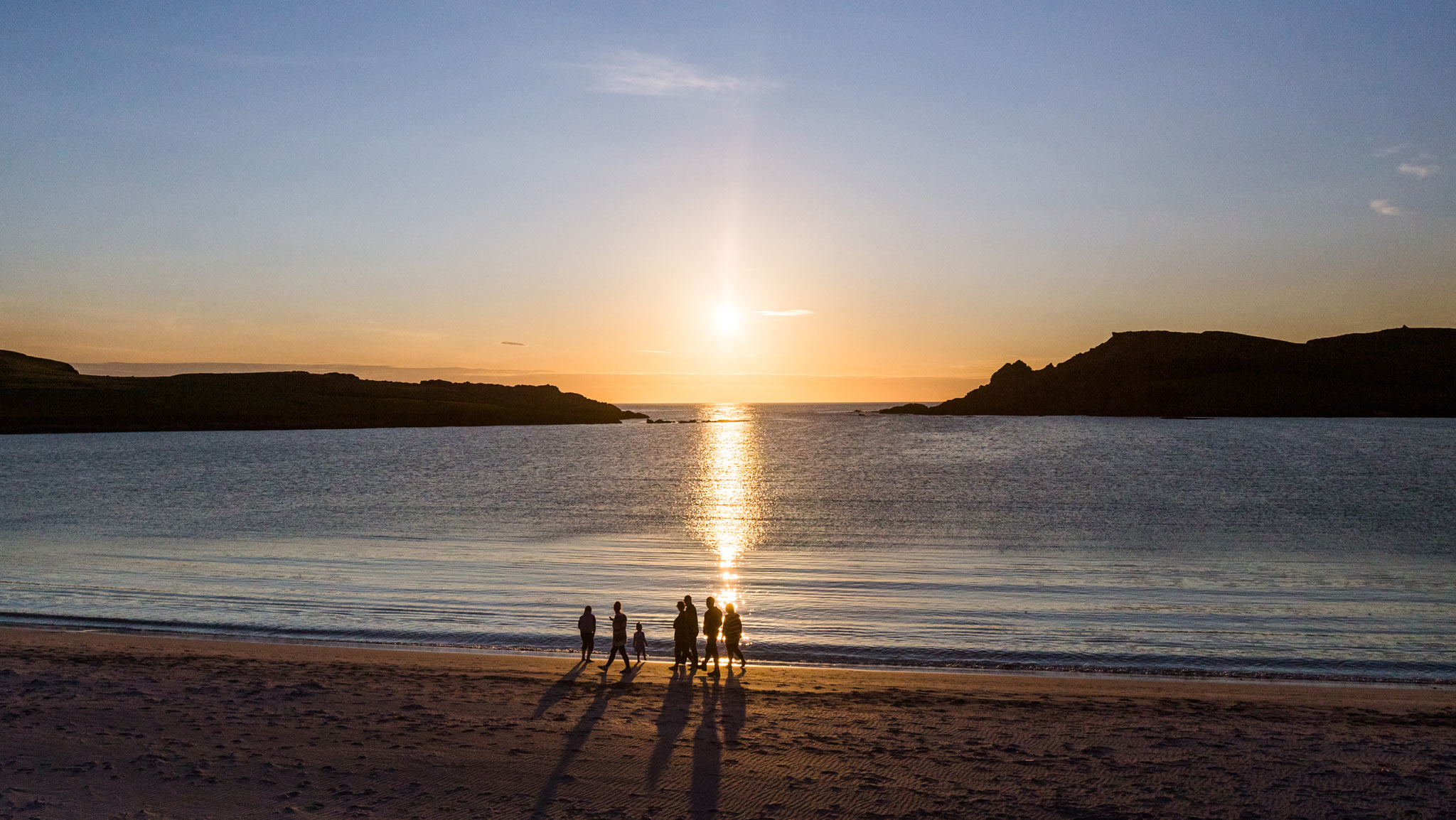
Burra: The east and west islands of Burra lie just off Shetland’s south mainland. The Minn beach (in the foreground) is one of two fine, sandy beaches on West Burra.

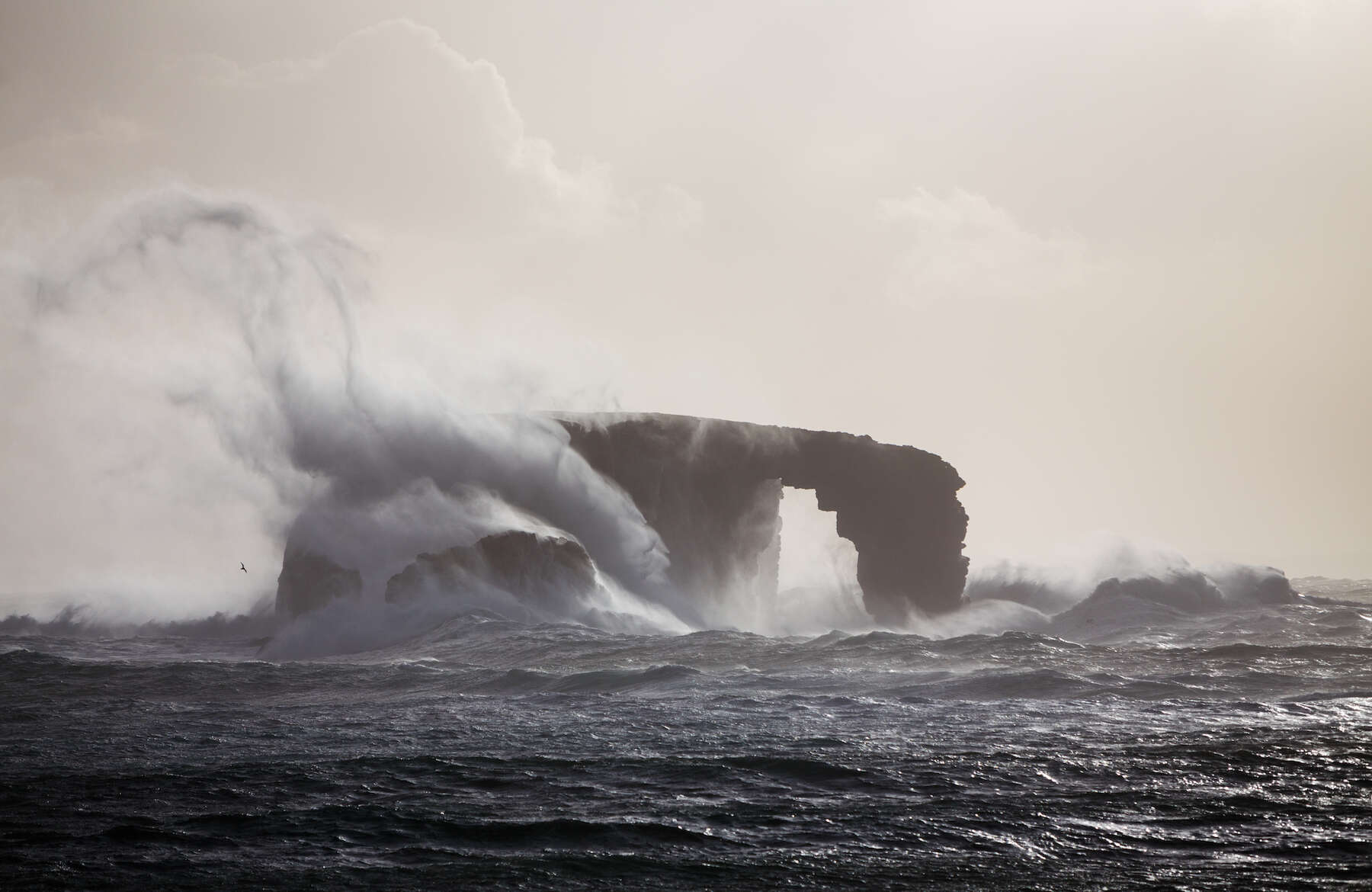
Conversations in Shetland, like conversations anywhere else in Britain, often touch on the weather. The thing that really sets us apart is the wind. We do have perfectly calm days, but at most times there’s a breeze. Especially in the winter months, memorable storms produce spectacular skies and dramatic waves.

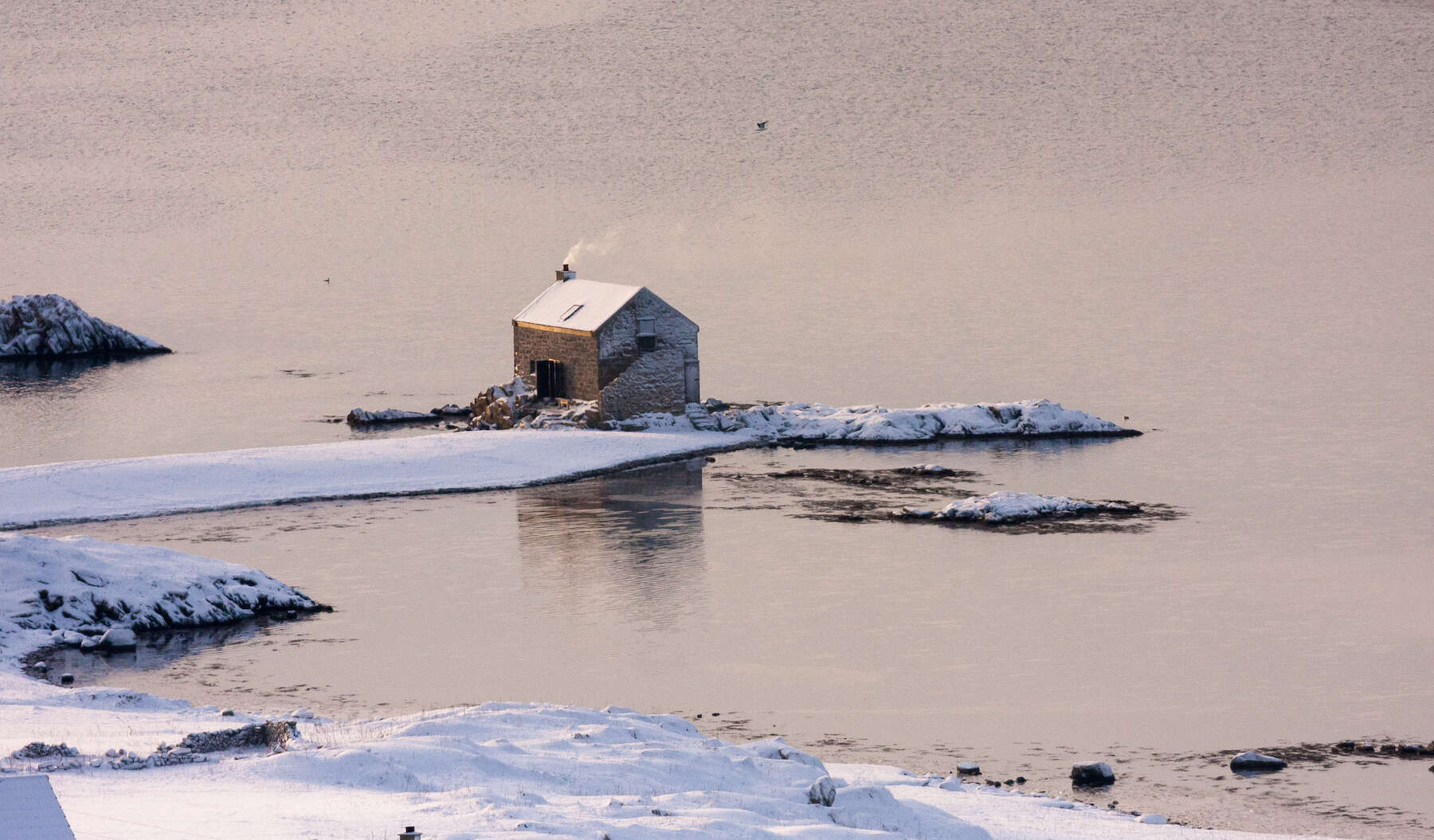
Shetland isn’t a particularly cold or wet place. Since we’re so close to the sea, really hard frosts are unusual. Although we see some snow, it seldom lies for very long. Annual rainfall is not so very different from other parts of western Britain at approximately 1,220mm or 48 inches.

Summer weather is cool by British standards, with maximum temperatures generally between 13°C and 17°C. Warmer days can reach into the low 20s Celsius (low 70s Fahrenheit). At certain times of year, there may be sea fog but it’s often confined to the windward side of the hills.

Landscape

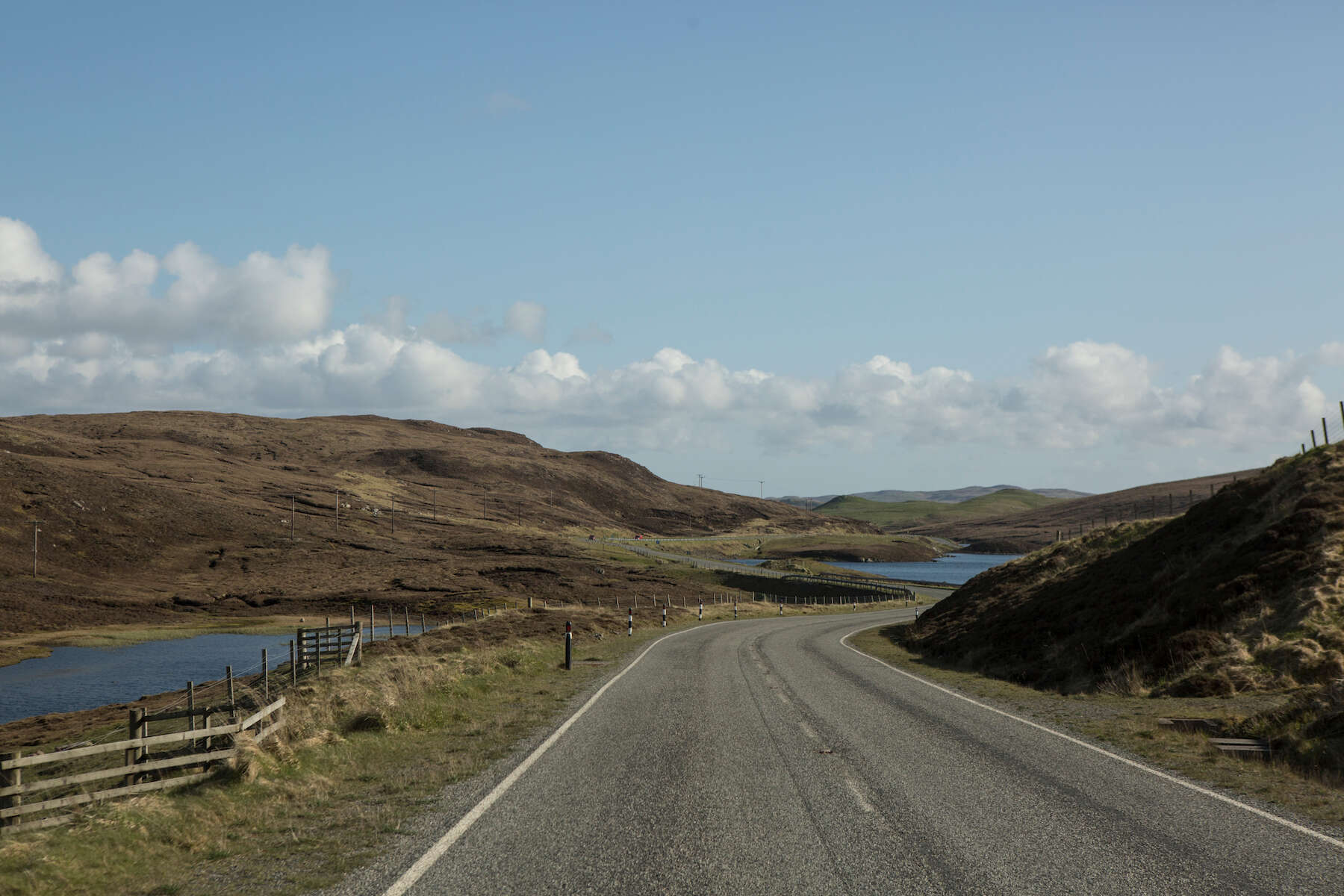
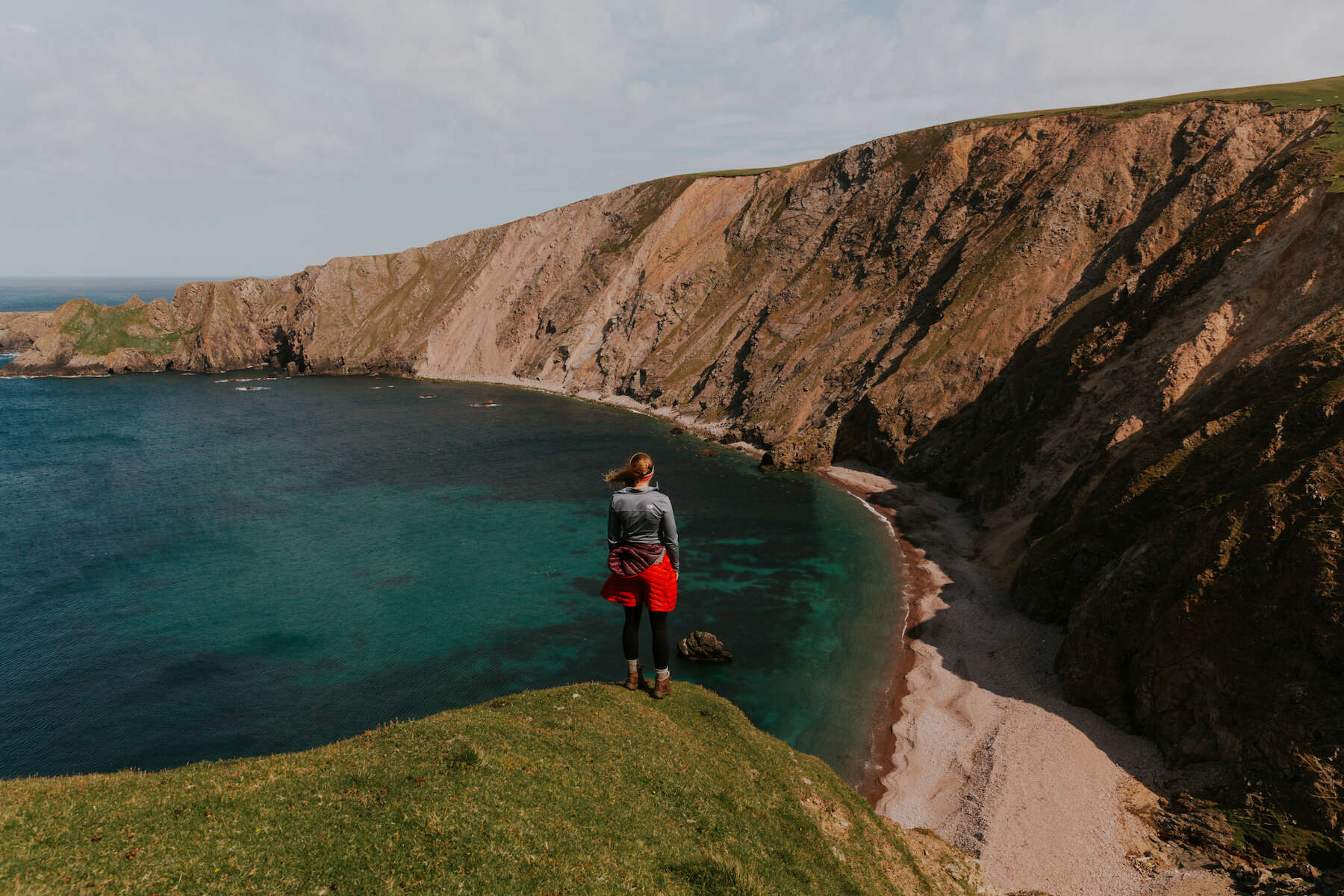
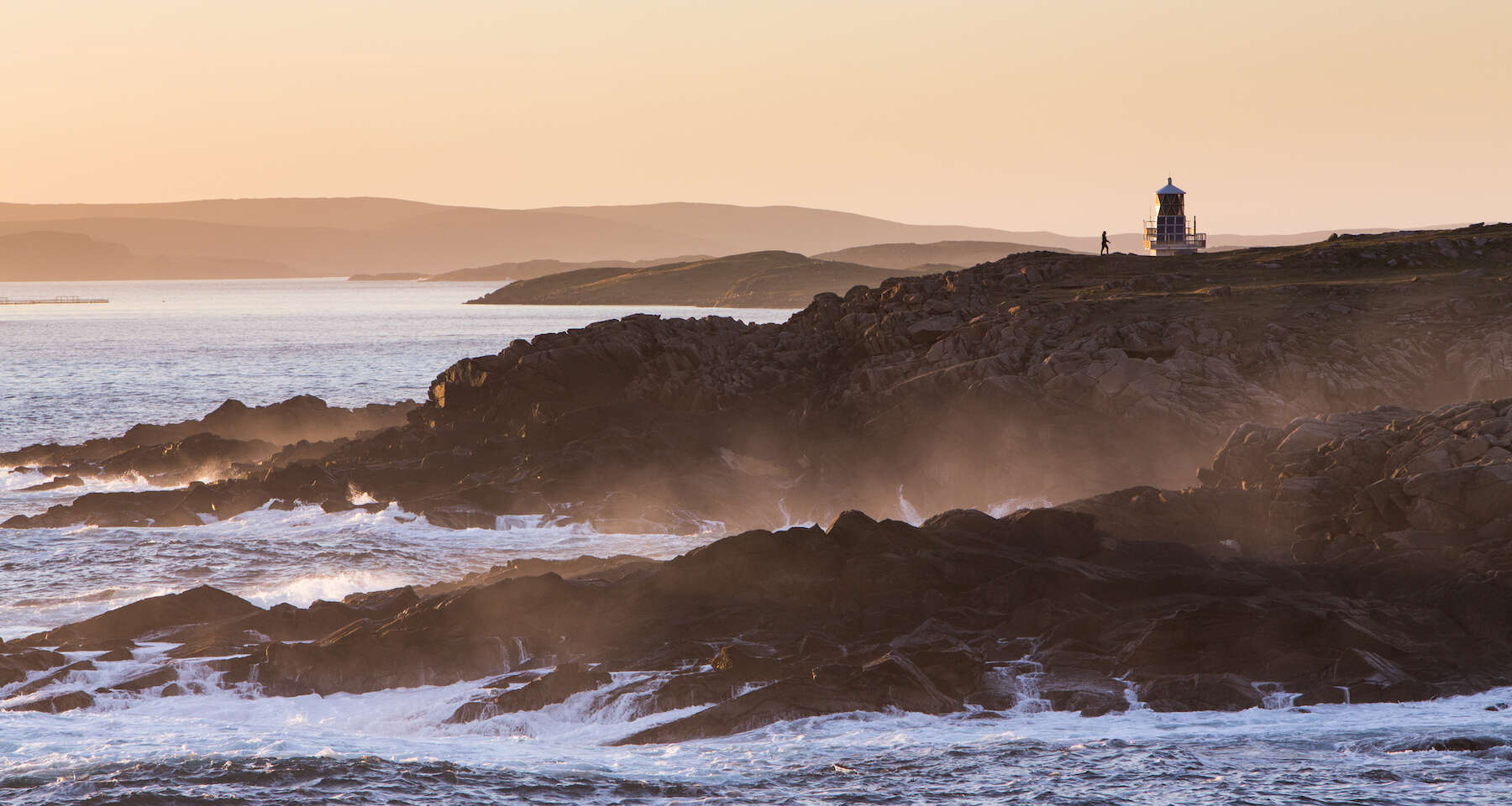
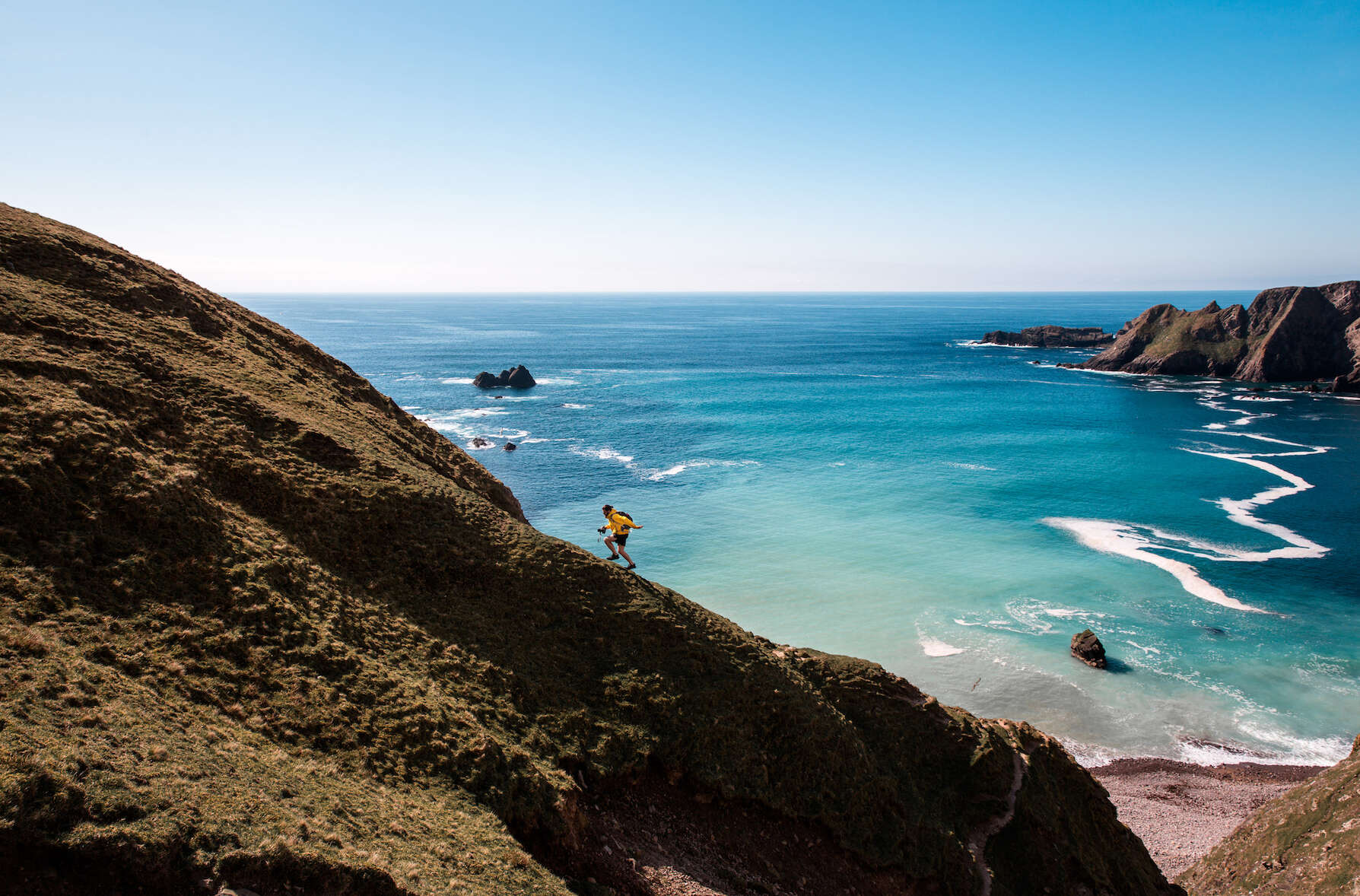
Shetland’s landscape, spread over more than a hundred islands, is framed by 1,697 miles (2,702 km) of coast featuring impressive sea-cliffs. There are stacks, caves and sweeping sand or shingle beaches. Inland, it’s a moorland mosaic, splashed here and there with the vivid green of the best grazing. For the most part, it’s a rolling terrain with distinctive ridges running north-south. The highest point is Ronas Hill, rising to 450m (1,475 feet). Underpinning this variety is a geology so complex that the islands have been designated as a European Geopark. Nowhere in Shetland is more than 5km (3 miles) from the sea.

Outside Lerwick and the other main communities, houses are mostly scattered in areas close to the coast or in inland valleys. There’s a wealth of archaeology and some interesting architecture.

Wildlife

The island of Fetlar is a favourite haunt of the rare Red-necked Phalarope.

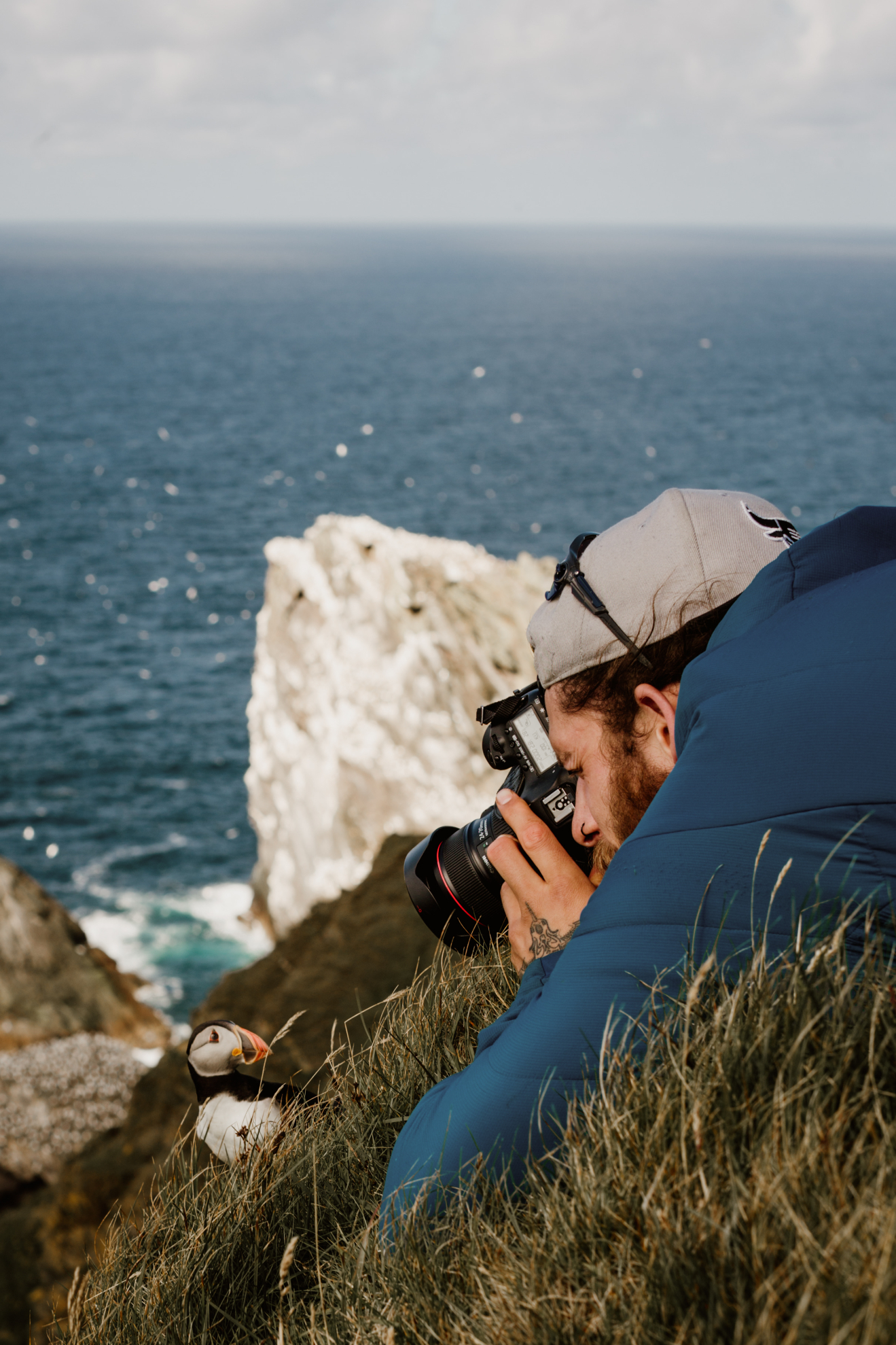
Shetland hosts a huge population of seabirds and marine life. The coast and neighbouring waters support very large proportions of the British populations of some bird species, for example 95% of Whimbrel and 71% of Great Skua, known locally as the Bonxie. We have around 100,000 pairs of Puffins, which we call Tammie Nories. Shetland is also a stepping-stone in bird migration and, particularly in Spring and Autumn, there are usually reports of some extremely rare visitors. Over the years, such species as Siberian Rubythroat or Blue-cheeked Bee-eater have drawn birdwatchers to Shetland from all over Britain. Seals are never far away and Shetland is one of the best places in Britain to spot otters, since we have roughly one of them for every mile of coast. They hunt in a remarkable forest of kelp (a kind of seaweed) that fringes our shores.

Speaking of forests, Shetland is often described as ‘treeless’, but that’s a (slight) exaggeration. In most parts of the islands, trees tend to occur only in gardens, but there are a few larger plantations, particularly in the sheltered valley of Weisdale. In spring and summer, you’ll notice the rich carpet of wild flowers that colours croft land and roadside verges; here and there, there are some real rarities.

Nature On Your Doorstep

Otters are common throughout Shetland.

For those lucky enough to live in Shetland, all of this is right on the doorstep. It’s possible that you’ll spot a seal, an otter, a porpoise or even a pod of Orcas as you lick an ice-cream on Lerwick’s waterfront or load up at the supermarket. If you choose to live in a rural part of Shetland, you’ll find wildlife all around. It’s not unknown to find an otter sunning itself by the window. There’s information about Shetland wildlife at Nature in Shetland and on the Scottish Natural Heritage and RSPB websites, which also give details of these organisations’ nature reserves throughout Shetland. For example, the RSPB Fetlar reserve is the summer home of rare Red-necked Phalaropes and SNH manages the spectacular seabird breeding colonies on the cliffs of Noss.

At this latitude, the aurora borealis (the northern lights, a spectacular upper-atmosphere phenomenon) is quite common. On a clear winter evening you stand a good chance of seeing it. Sometimes it’s quite faint but you may occasionally be rewarded with a brilliant display that stretches from one horizon to the other, with shimmering curtains of green, cream, blue, gold or silver. It’s really not to be missed.

A display of the aurora borealis, or 'Northern Lights'.

Shetland ponies roam free in many parts of the islands.

Shetland's rich underwater life attracts divers to the islands.

More In This Section…